
NAV Holiday Rush
Trivia Game
Product Design, Responsive Design,
UX Design, UI Design, Visual Design,
Moosylvania + New Amsterdam Vodka
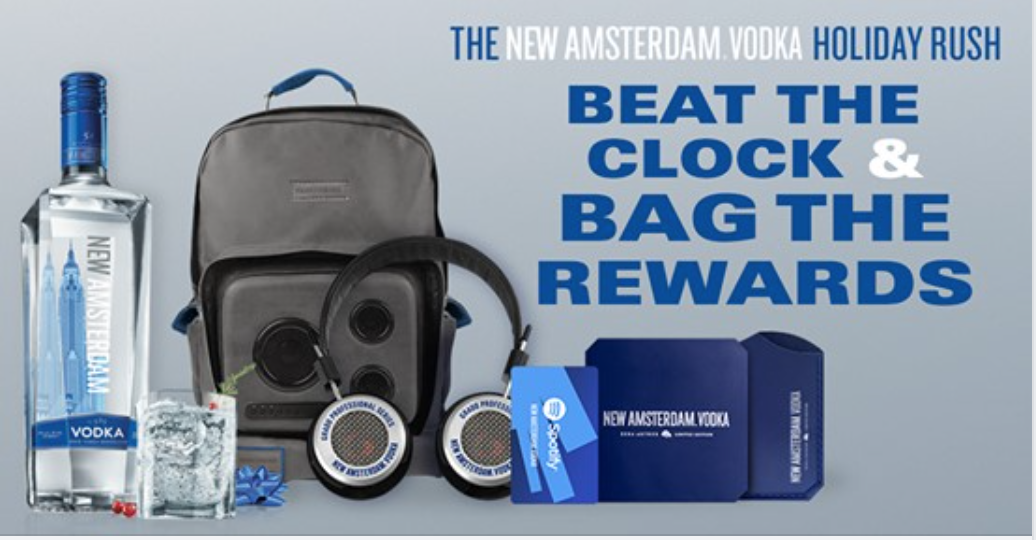
NAV Holiday Game was an interactive digital experience designed to increase user engagement during the holiday season. The goal was to transform a traditional marketing campaign into a playful, interactive product that encourages repeat visits and deeper user interaction.
Role: Senior Product Designer, end-to-end ownership.
Partnered with: Engineering, QA, Content, Accessibility
Led: UX strategy, workflow redesign, specs
Scope: End-to-end product design, UX strategy, workflow restructuring, specs, prototyping, research synthesis
Timeline: 3 Months
Tools: Invision, Sketch, Rapid Prototyping
The Problem
The campaign needed to:
Drive repeat monthly engagement, not just one-time visits
Capture user information for ongoing communication
Balance brand expression with a clear, usable game experience
Navigate age-gated compliance without creating drop-off
Without a structured system, users would:
Miss the game window
Lack incentive to return
Drop off before engaging
Design an interactive experience that:
Increase monthly return rate
Encourage real-time participation
Capture email / SMS opt-ins
Create a repeatable engagement system for future campaigns
Goal
1. Concept Exploration
Explored ways to turn passive content into an interactive experience.
Focused on gamification as a way to:
Increase engagement
Create delight
Encourage repeat visits
2. Interaction Design
Designed a game-based experience that:
Is intuitive from first interaction
Requires minimal instruction
Rewards continued engagement
Focused on:
Clear feedback loops
Simple, responsive controls
Progressive interaction
3. Visual & Motion System
Developed a cohesive visual system aligned with the holiday theme:
Playful, seasonal UI elements
Motion to guide interaction and reinforce feedback
Consistent design patterns across screens
4. Prototyping & Iteration
Created interactive prototypes to:
Test usability and flow
Refine interaction patterns
Ensure smooth user experience across devices
Worked closely with developers to:
Align on feasibility
Ensure accurate implementation
Approach
User Flow
How The Flow Works
01
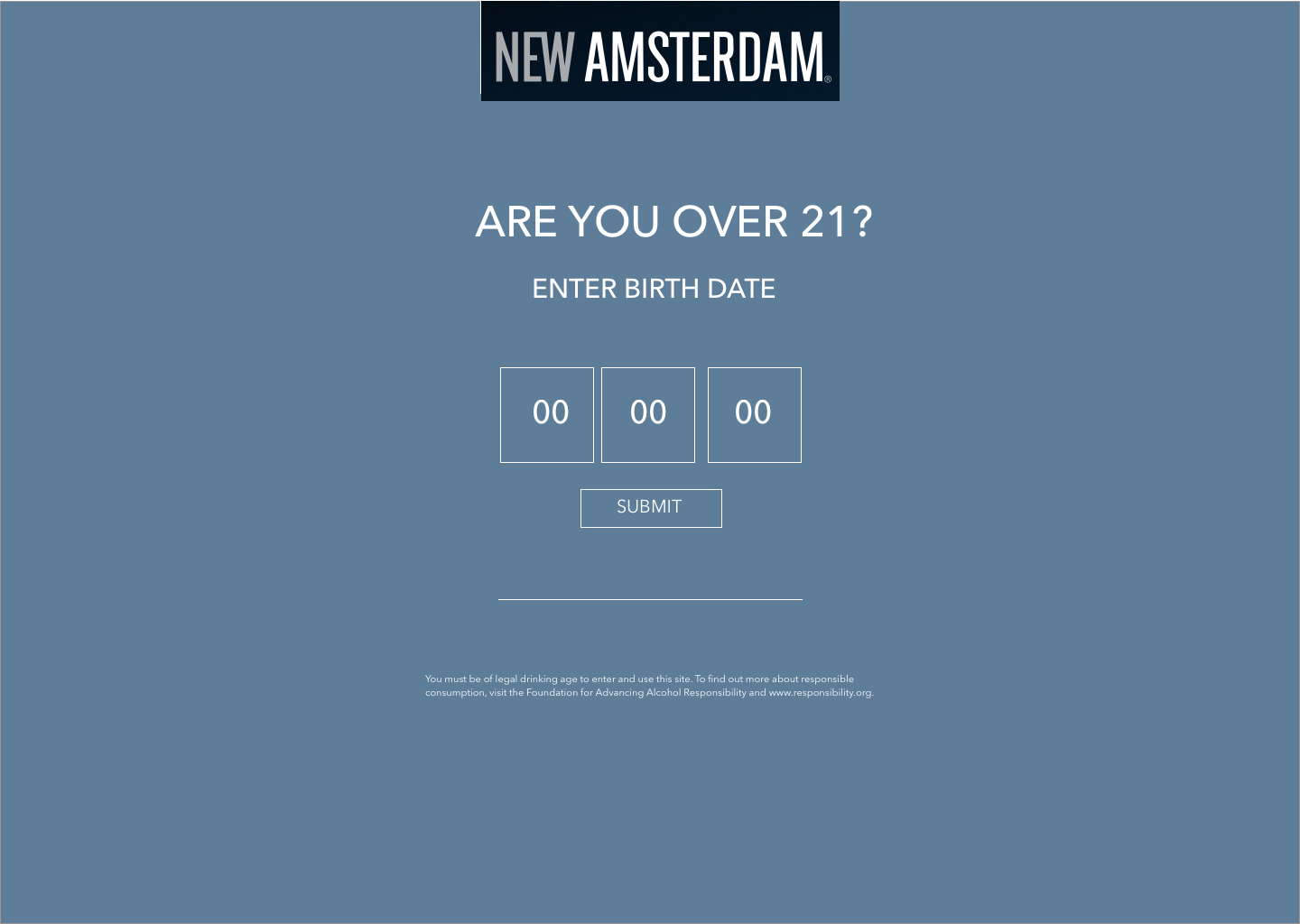
Entry → Reduce
Drop-off
Age gate designed to be quick, minimal, and non-intrusive
Maintains compliance without disrupting momentum
Kept the interface visually lightweight to avoid feeling like a barrier
02
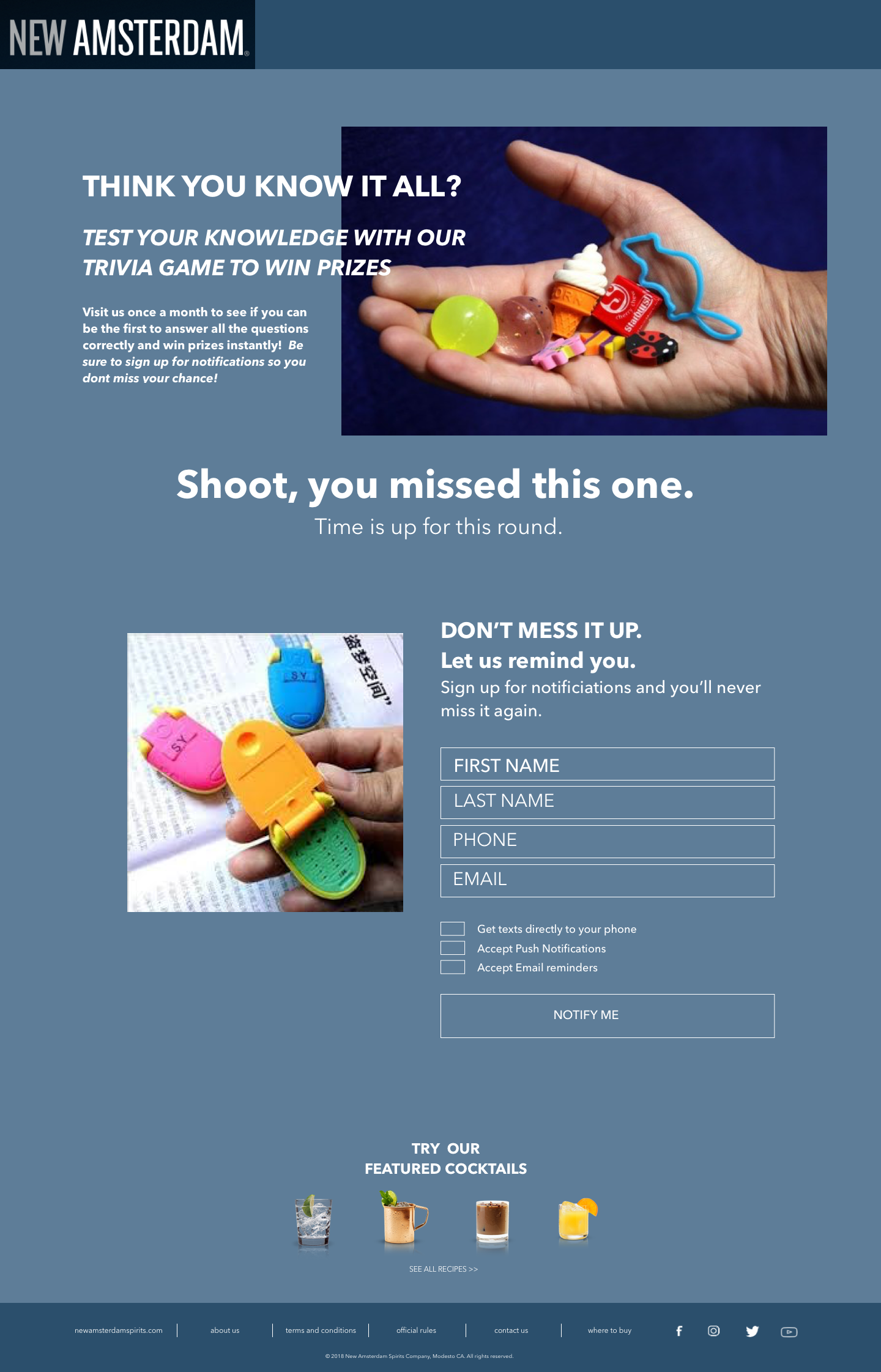
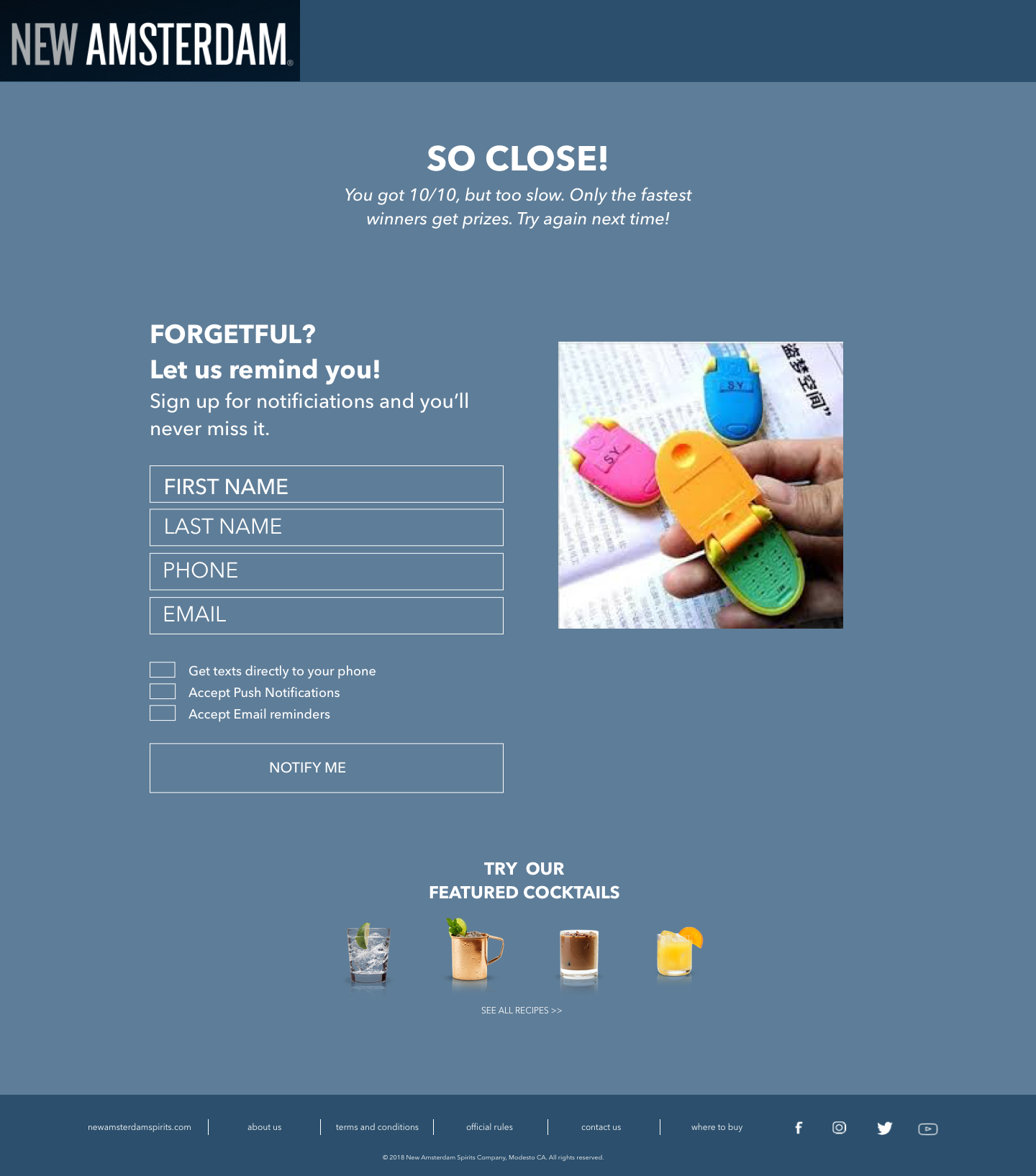
Retention Loop → Capture Long-Term Value
Introduced notification sign-up flow
Positioned after emotional moments (win / loss)
Why this works:
Users are most likely to convert when:
They just missed out
Or nearly won
This turns a one-time experience into a repeat engagement system
03
Gameplay → Core Experience
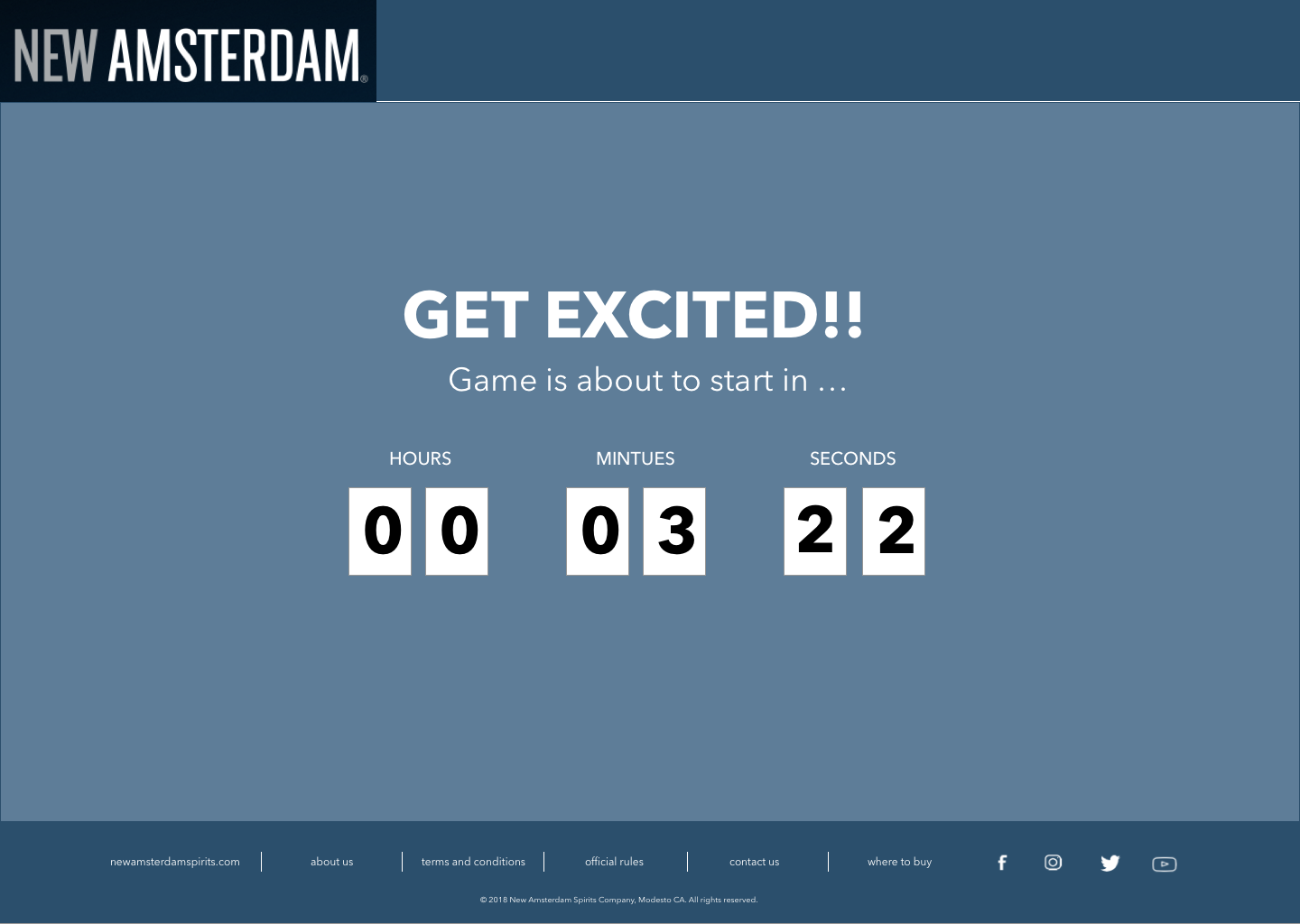
Designed a fast-paced question interface
Clear hierarchy:
Question
Answer choices
Time constraint
Minimized cognitive load to support quick decision-making
Balanced speed vs readability under time pressure
Ensured consistent layout for repeatability across questions
04
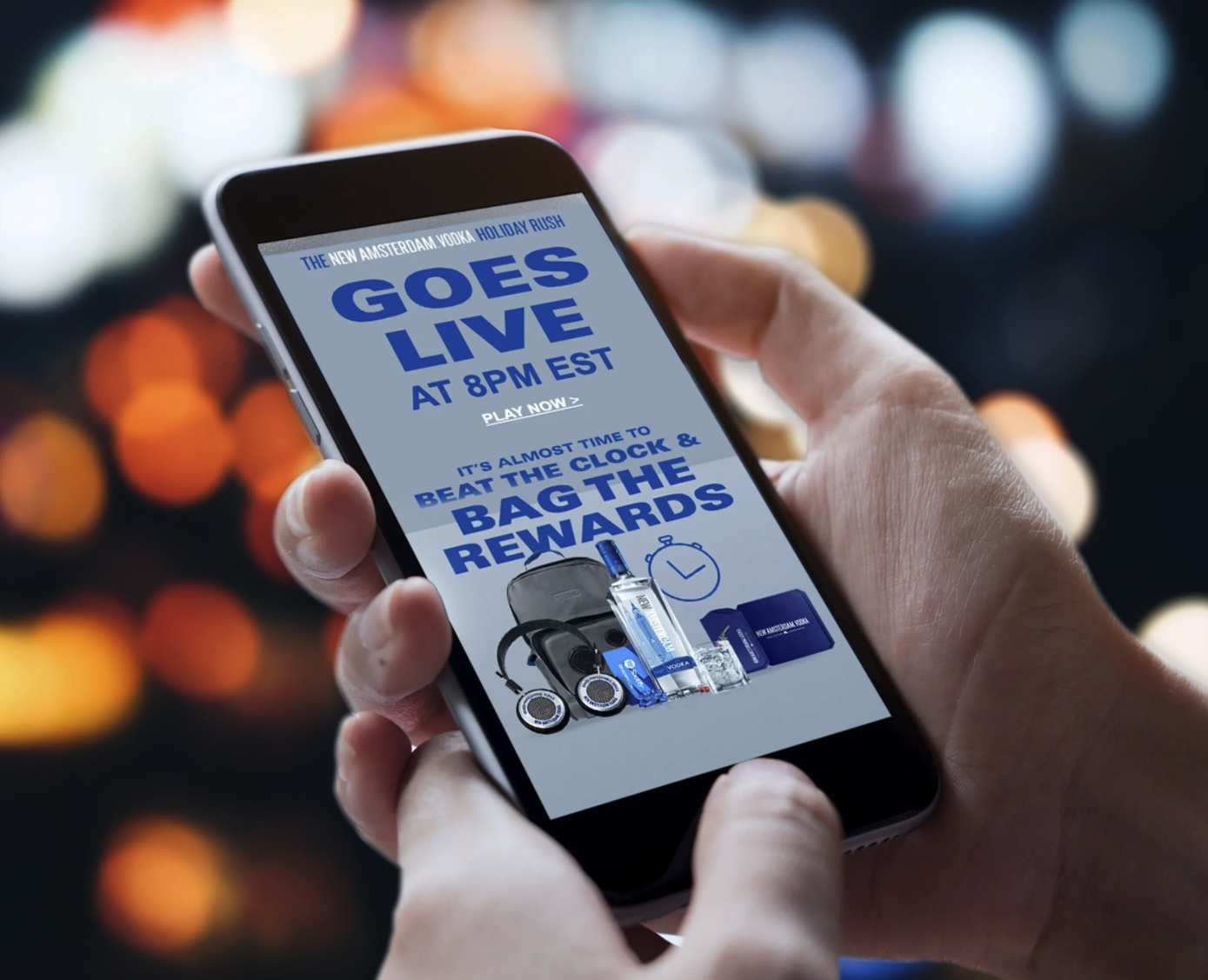
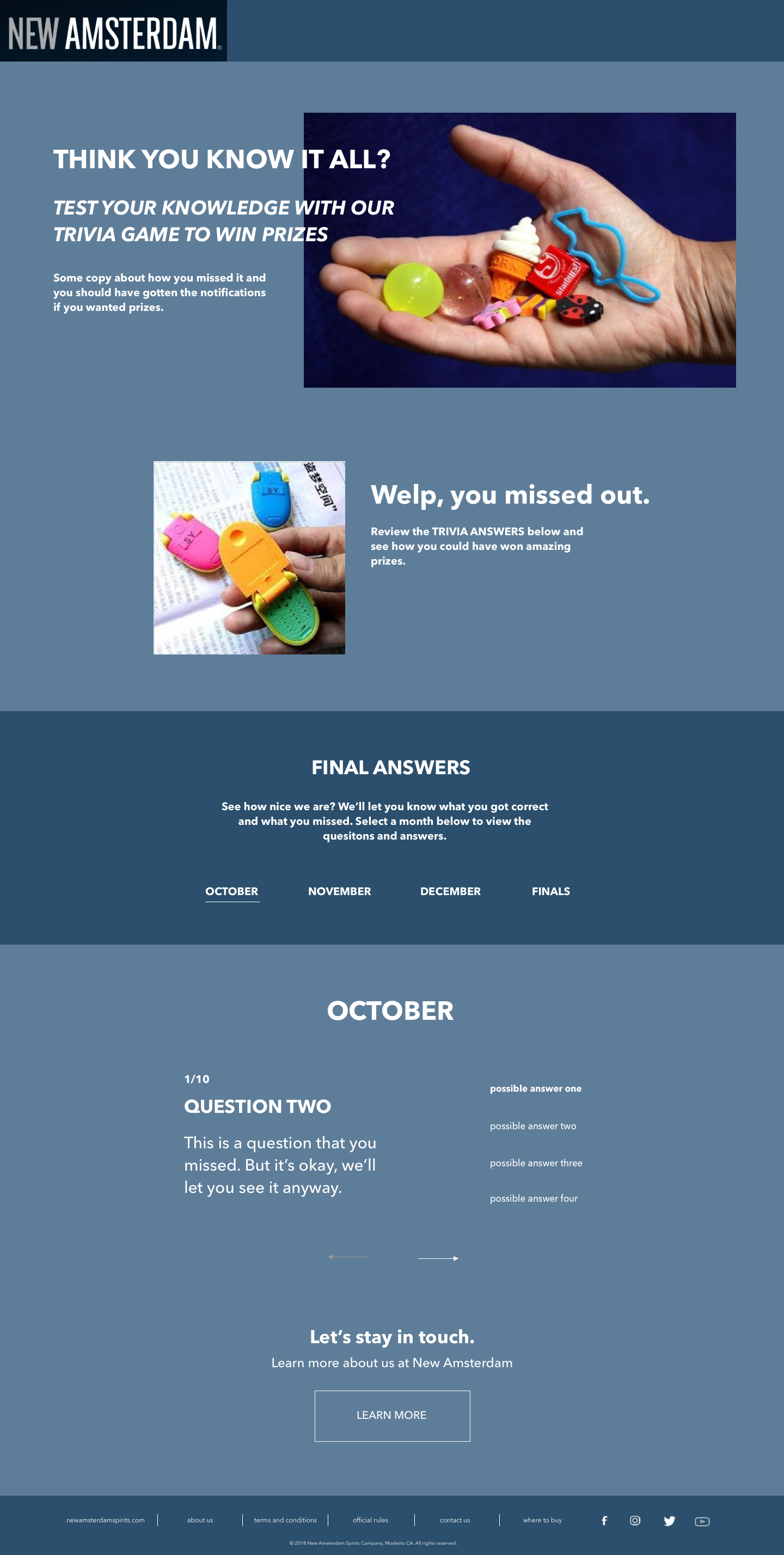
Introduced countdown states before game launch
Reinforces urgency and creates a time-based return behavior
Users are more likely to return when there is a clear start time + scarcity
2. Pre-Game → Build Anticipation
05
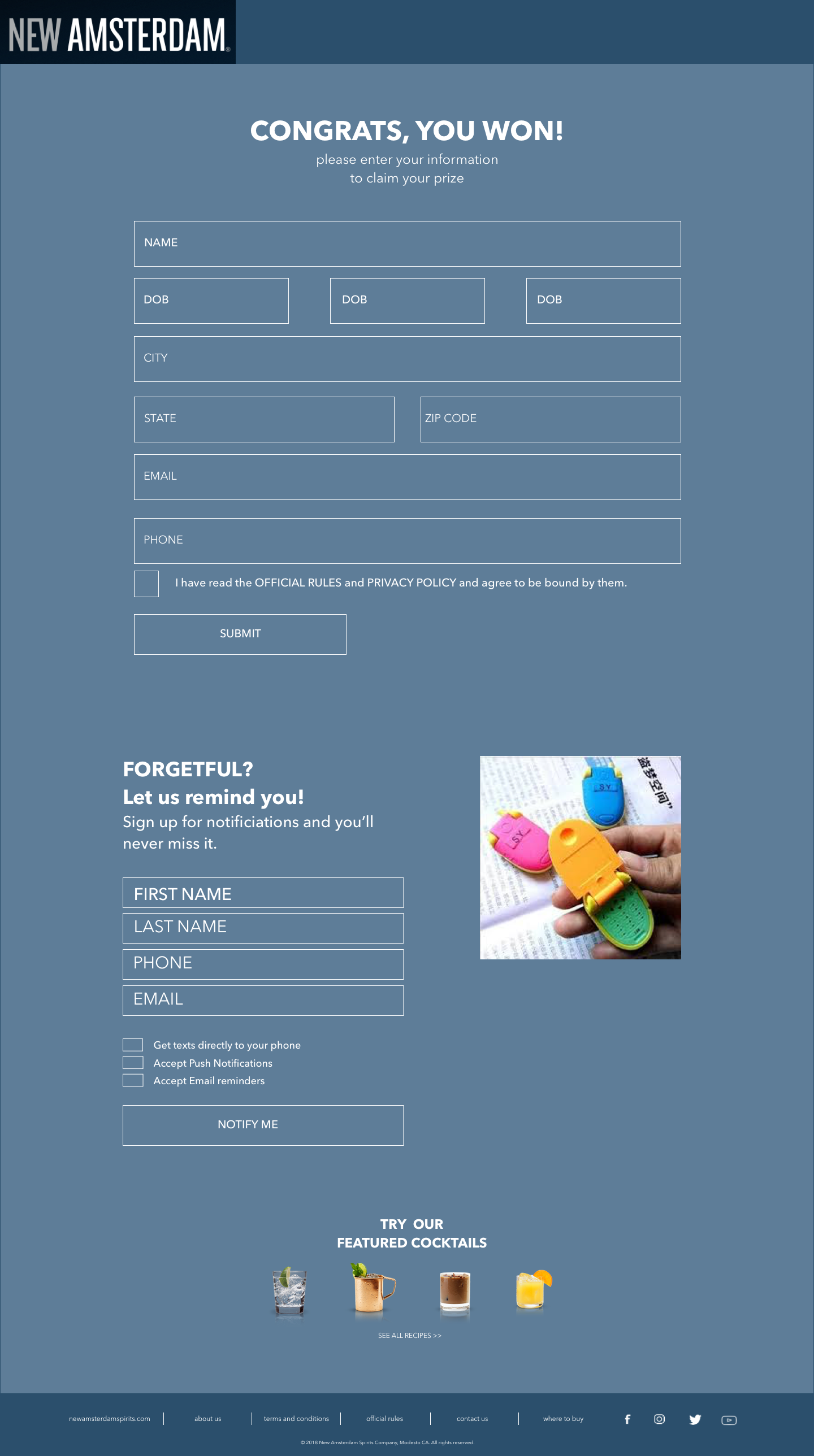
Outcome States → Reinforce Engagement
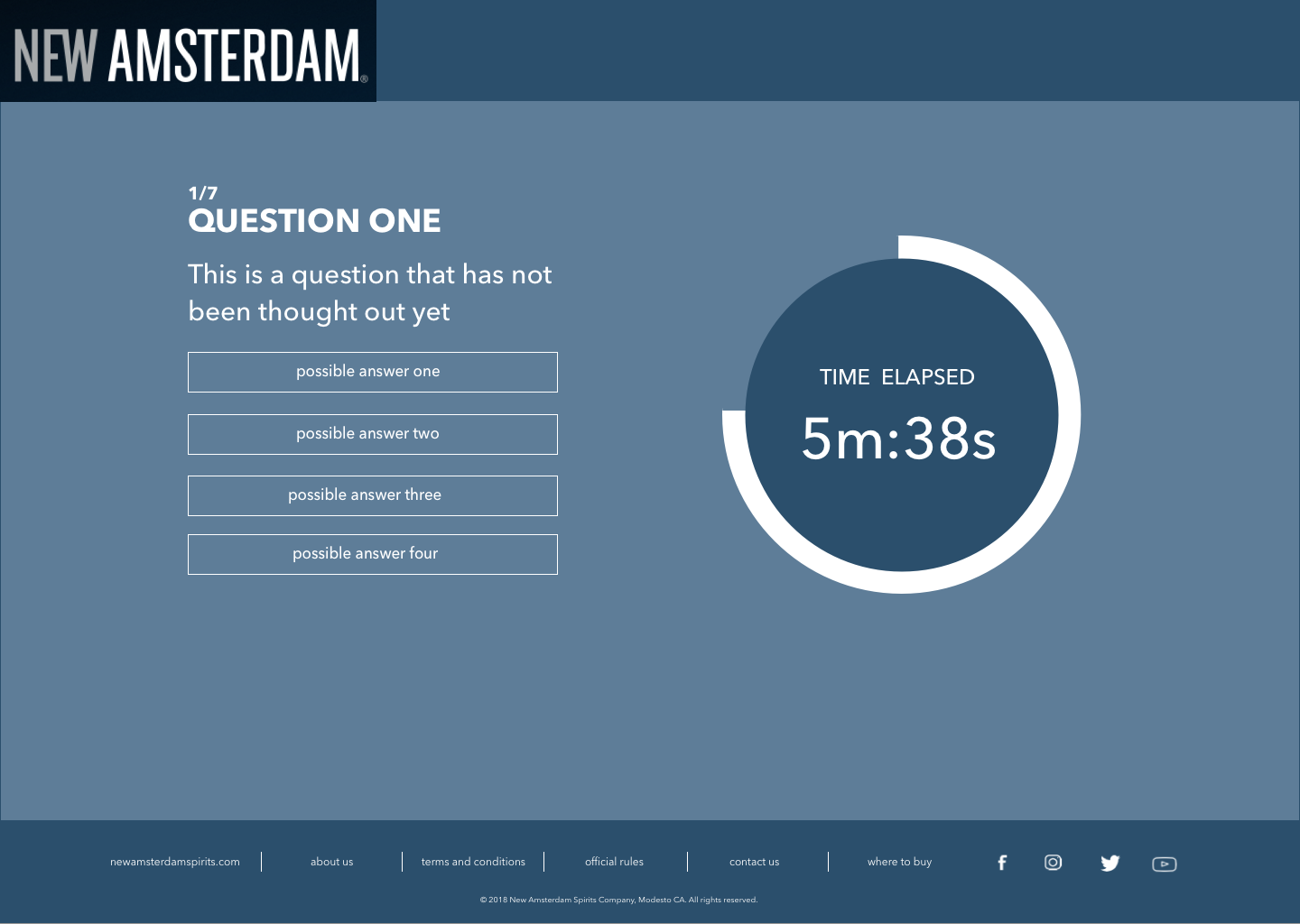
Instead of a single result, I designed multiple outcome scenarios:
Win → reward + next step
Almost → encouragement to retry
Loss → soften failure + maintain engagement
💡 Key idea:
Every outcome keeps the user in the loop—no dead end
Designing for behavior, not just visuals
Used time constraints to increase urgency
Designed monthly cadence to build habit loops
Created multiple emotional outcomes to sustain engagement
Balanced brand voice with usability clarity
Managing friction vs compliance
Age gate required—but minimized its impact
Focused on speed + clarity to prevent early drop-off
System over screens
This wasn’t a single flow—it was a repeatable engagement system:
Scalable for future campaigns
Adaptable for different content
Designed to continuously bring users back
Design Thinking
I structured the experience as a behavioral loop, not just a one-time interaction:
1. Reduce friction → Get users in quickly
2. Build anticipation → Encourage return visits
3. Deliver engagement → Simple, fast gameplay
4. Reinforce outcomes → Keep users motivated
5. Capture intent → Convert to long-term engagement
While metrics were not directly tracked, the system was designed to:
Increase user return behavior through time-based engagement
Improve conversion through well-timed sign-up prompts
Establish a scalable campaign framework for recurring activations
Impact
Add progress indicators during gameplay
Introduce leaderboards or social sharing for competition
Personalize reminders based on past performance
Track drop-off points to optimize funnel performance
Improvements